
Powering the Frozen Seafood Processing Industry with Solar PPA: A Sustainable Business Model
In an era defined by rising energy prices, environmental scrutiny, and global market demands for sustainability, the frozen seafood processing sector stands at a critical juncture. Energy-intensive operations such as cold storage, blast freezing, and wastewater treatment require uninterrupted, large-scale power—traditionally sourced from the grid at escalating costs. Against this backdrop, solar Power Purchase Agreements (PPAs) are emerging as a transformative model, delivering both financial and environmental benefits specifically tailored for seafood processors.
The Energy Challenge in Seafood Processing
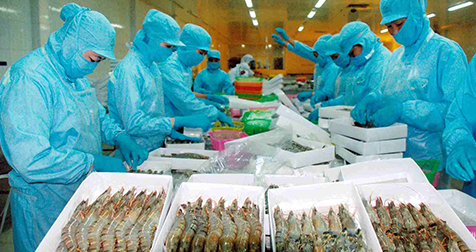
Frozen seafood processing plants, especially those dealing with shrimp, fish, and shellfish, operate round-the-clock to ensure the freshness and quality of perishable products. Systems like quick-freeze tunnels, industrial IQF (individually quick frozen) units, compressors, and chillers consume significant electricity. Beyond financial strain, dependence on grid power exposes processors to volatility, supply disruptions, and regulatory uncertainty—a risk when energy supply lapses could spoil sizable batches of product.
This challenge was well illustrated by an ESF Seafood plant in Honduras, which embarked on a three-year solar transition aiming to source 60–100% of its energy needs from photovoltaic systems.. The initiative is expected to reduce over 2,000 tons of CO₂ emissions in 2023 alone. highlighting the tangible impact of solar adoption in an energy‑hungry, climate‑sensitive industry.
What is a Solar PPA?
A solar Power Purchase Agreement is a long‑term contract (typically 10–25 years) where a third-party developer finances, installs, owns, and maintains a solar power system on-site—usually on rooftops or adjacent land. In return, the seafood processor commits to buying the electricity generated at a pre-agreed, often discounted, rateefinancialmKey advantages include:
Zero upfront capital expenditure: All hardware, installation, and permits are funded by the provider.
Predictable energy costs: Long-term agreements guard against grid inflation.
Operational responsibility lies with the provider: Monitoring, maintenance, and performance risk are handled externally.
Immediate financial benefits: Payments to the provider are typically lower than prior grid costs, resulting in positive cash flow from the first dayepa.gov.
Tailoring Solar PPA to Frozen Seafood Plants
While solar is beneficial for many industries, seafood processors present a uniquely well-suited case:
Continuous daytime load: Facilities run continuously during peak sun hours, aligning perfectly with solar generation.
Large rooftop footprints: Production halls are optimal for photovoltaic installation.
Cold-chain criticality: Battery-integrated solar PPAs offer backup in grid outages, ensuring food safety.
Environmental positioning: Global buyers increasingly demand low-carbon sourcing—solar adoption supports certifications like ASC, BAP, and ISO 14001.
Financial and Environmental Impact
Cost Savings and Budget Certainty
Solar PPAs deliver stable, predictable costs that are typically 15–30% cheaper than commercial or industrial grid rates. As grid tariffs climb, PPA rates remain locked or increase marginally, insulating processors from energy price shocks.
Carbon Footprint Reduction
By switching to solar, many seafood facilities can offset hundreds to thousands of tons of CO₂ equivalents annually. Honduran shrimp processor ESF expects to eliminate more than 2,000 tons of emissions in a single year.
Minimal Operational Burden
With system design, performance monitoring, maintenance, and upgrades managed by the provider, technical burden falls away from in-house staff. This allows processing teams to focus on production rather than energy logistics.
Implementation Roadmap
1. Site Evaluation
Solar providers analyze sunshine potential, available space, and connection feasibility. In high PVOUT locales like tropical regions, efficiency gains are substantial.
2. System Design & Financing
Engaging clean credit investors or EPC firms, providers structure the solar array, net metering arrangements, and finance flow.
3. Installation & Commissioning
Installation typically completes within 3–6 months, depending on size and permitting. After commissioning, energy production is independently measured for billing accuracy.
4. Operation & Optimization
Solar systems integrate with facility energy management systems to allocate power to chillers, ancillary systems, and storage. Surplus may be fed back to the grid, subject to local policies.
5. Performance Review & Reporting
Performance guarantees ensure system efficiency. Providers share monthly reports on energy delivered and CO₂ emissions avoided.
Real-World Success: ESF Seafood Case Study
Located in Choluteca, Honduras, ESF Seafood integrated a 1.2 MW rooftop solar installation, targeting 27% of plant electricity, with subsequent phases planned to reach up to 3.5 MW to fulfill nearly total energy needs. Benefits include:
Robust energy yield from high insolation region
No land acquisition costs using existing facility rooftop
Reduced emissions—over 2,000 tons CO₂ annually
Swift implementation—solar benefit began mid-plan window.
ESF’s strategy demonstrates how solar PPAs can align with processing priorities—food quality, sustainability compliance, and cost discipline.
Broader Market Trends
Aquaculture and seafood processors globally are increasingly exploring solar. Nicaragua, Taiwan, Indonesia, and Vietnam are testing solar-powered aerators, while oyster farms integrate renewables into remote operations.The trend signals a maturing market where solar becomes standard in fish and shellfish infrastructure.
Critical Considerations & Challenges
Contractual complexity: PPA negotiations include performance clauses, escalation rates, and liability structures.
Grid policy dependence: Regional incentives like net metering or feed-in tariffs affect business cases.
Capacity planning: Oversizing arrays can pose curtailment risks, requiring careful design.
Maintenance obligations: Though outsourced, system upkeep must adapt to harsh coastal environments.
Conclusion: A Strategic Energy Shift
Solar PPA offers frozen seafood processors a low-risk, economically viable gateway to energy independence and carbon reduction. With fixed pricing, operational continuity, and ESG credentials, solar power not only slashes energy expenses—it strengthens competitive positioning in global supply chains.
As global seafood markets increasingly reward decarbonized production, processors embracing solar stand to gain on two fronts: lower operating costs and premium market access. For the sector, solar PPA is more than a utility choice—it’s a strategic imperative attuned to both operational resilience and environmental accountability.